Access becomes something you control rather than something you hope for. A closed gate deters before it ever has to stop anyone.
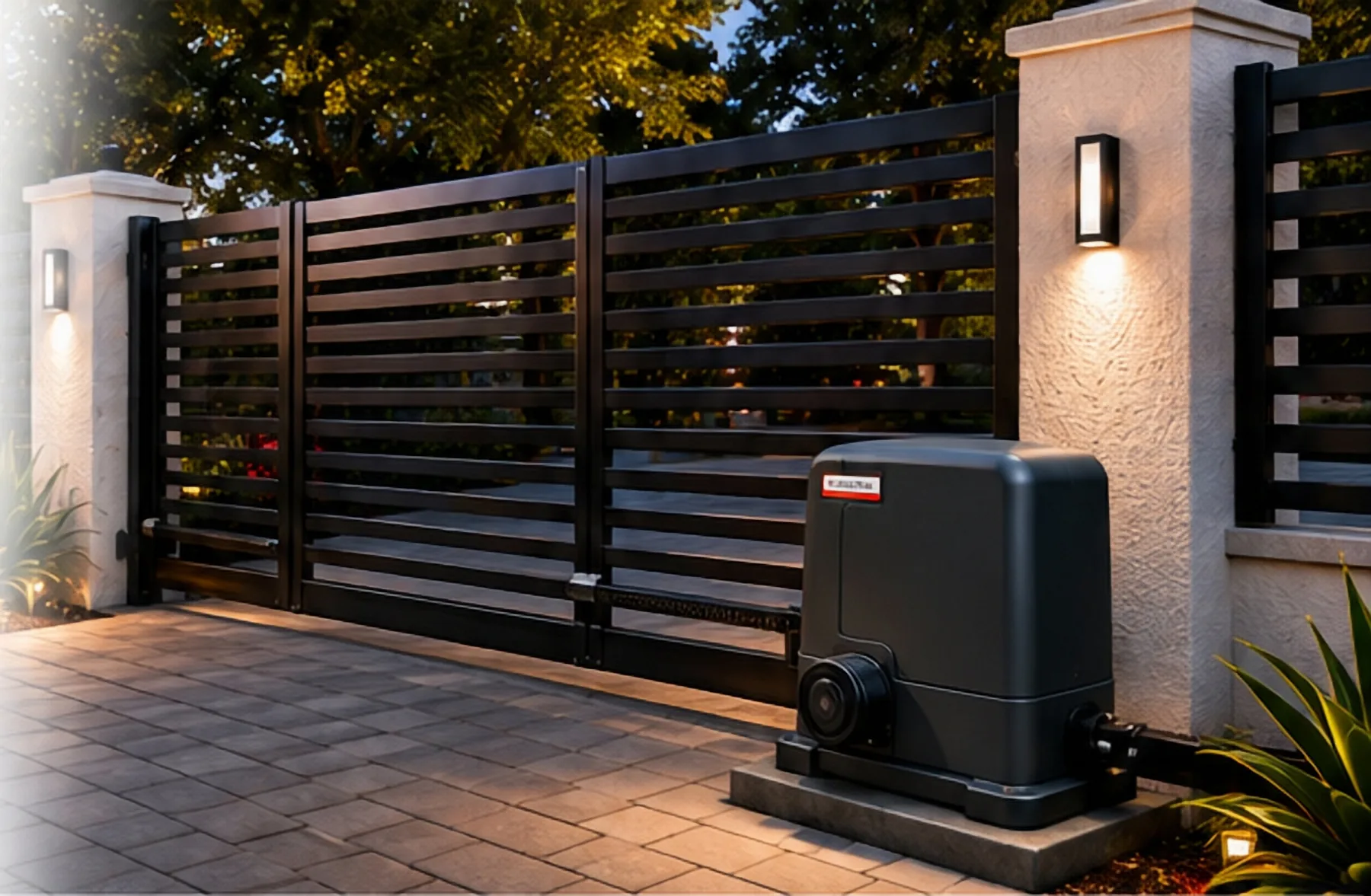
Gate Automation
Smart Access.
Seamless Control.
Built for Convenience.
An operator turns your gate into something you use rather than something you get out of the car for. Open and close at the touch of a button while keeping the property secure and private, with performance you can rely on every time.
Features & Benefits
Why homeowners choose gate automation
Enhanced Security
Convenience
Open and close from the car. In rain, at night, with the kids in the back, this is the reason most people finally do it.
Built to Withstand
Operators rated for the leaf and the duty cycle, in enclosures specified for sun, damp and coastal air.
Reliable Performance
Quality motors and control boards, set up properly. Most automation failures are setup, not hardware.
Custom Solutions
Operator, access control and safety equipment chosen for your gate and how the household actually uses it.
Increase Property Value
A working automated entrance is a visible upgrade, and one of the few that buyers notice from the street.
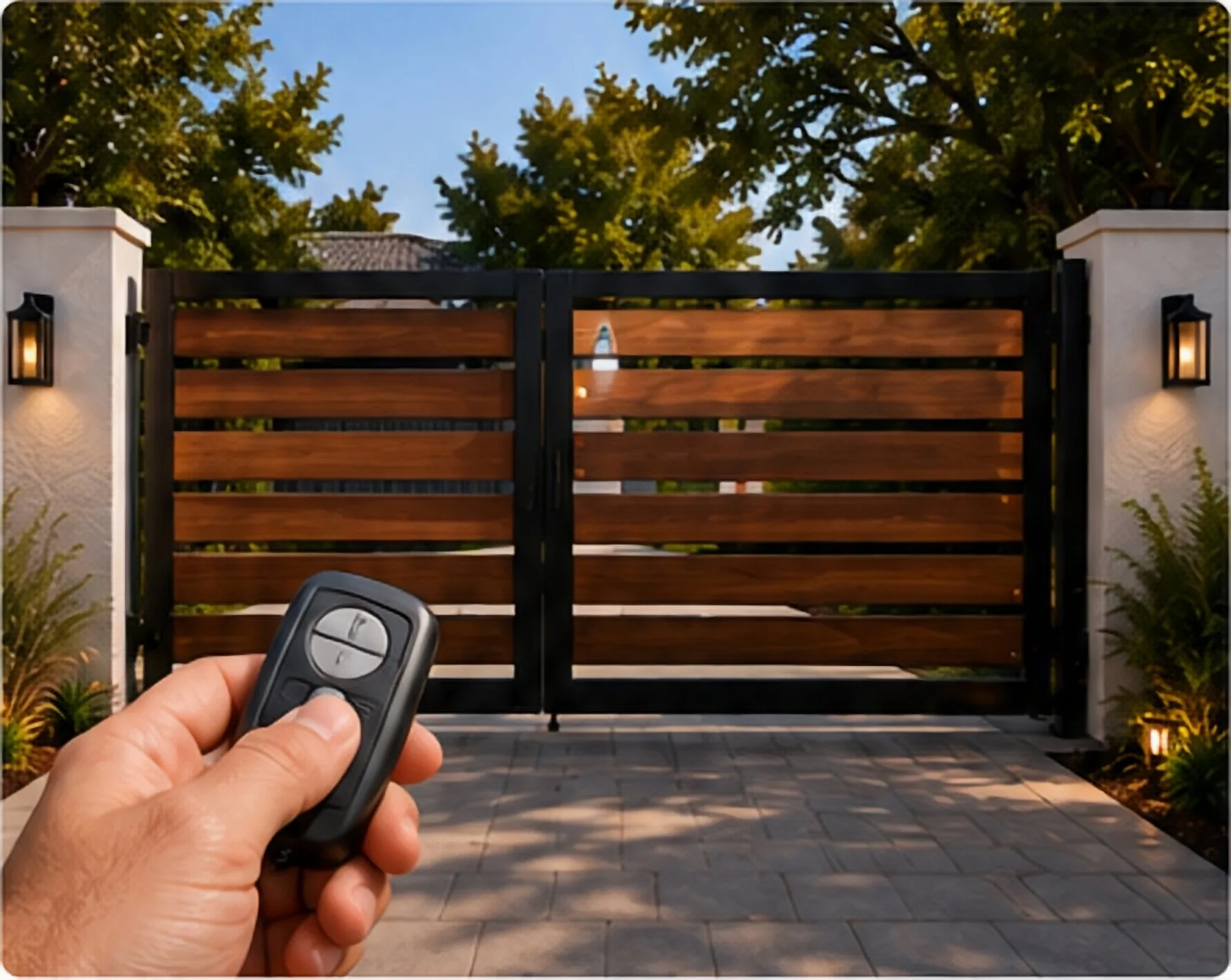
Types of Gate Operators
Solutions for every gate
 Swing Gate Operators
For single or dual swing gates. Arm, ram or underground, chosen for the leaf weight and the space at the post.
 Sliding Gate Operators
For sliders and cantilevers of any size. Rack driven, with the motor sized to the gate rather than the price.
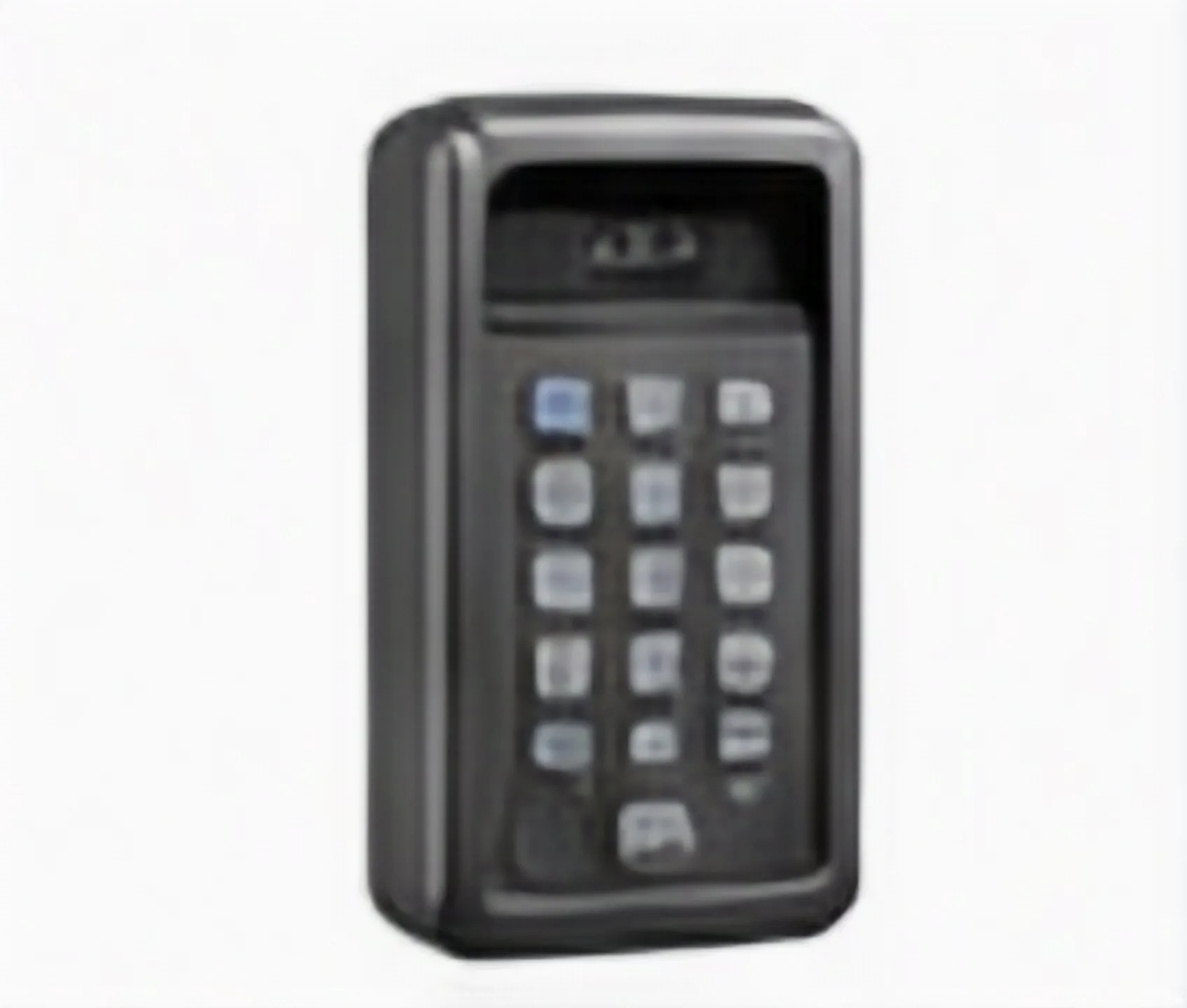 Access Control Systems
Keypads, intercoms, card readers and remotes, so the right people get in without you handing out keys.
 Smartphone Integration
Open the gate, check whether it is closed, and give a guest a temporary code from anywhere.
Our Process
Professional installation,
every step of the way
1Free Consultation
We look at the gate, weigh up the leaf, check how it moves by hand and find out how you actually use the entrance.
2Custom Design
Operator type, access control and safety equipment specified, with cable routes planned, then a written price.
3Expert Installation
Operator mounted and aligned, power and low-voltage run properly, limits and force settings dialled in.
4System Testing
Safety devices tested by obstructing the gate, force checked, remotes and codes programmed and verified.
5Ongoing Support
We service what we install, and we service systems other people installed. Same number either way.
Los Angeles Gate Automation
Los Angeles gate automation contractor
In Los Angeles convenience and security tend to arrive together. Automation gives you control over who reaches the property while taking a small daily annoyance out of your routine entirely.
From hillside homes to busy commercial entrances, we build automation around the demands of living here — heavy use, hard sun and coastal air — so the system still performs years in.
We work with proven equipment and current technology to give you quiet, smooth, secure operation. Whether that is a simple remote setup or a fully integrated access system, we have done it before.
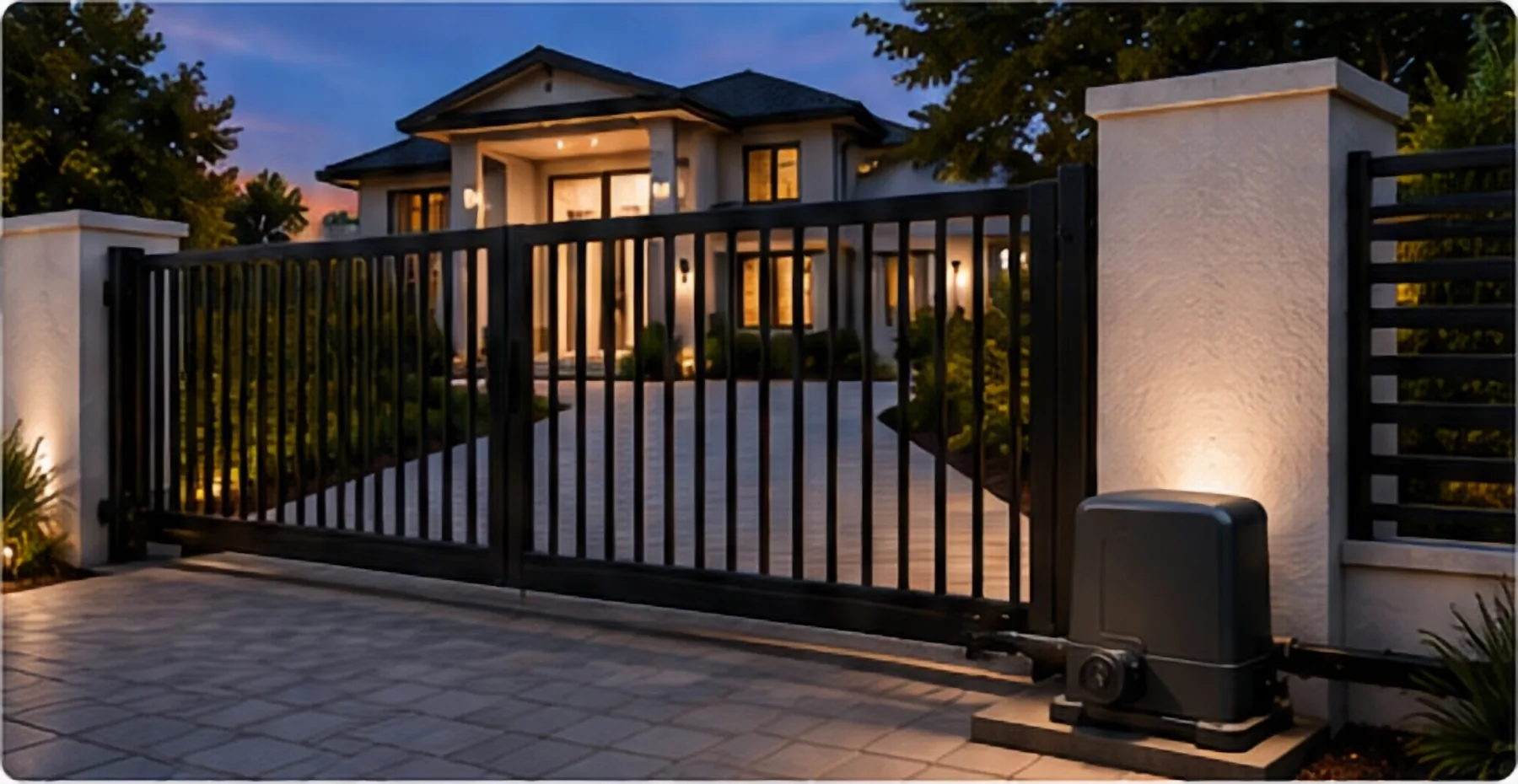
Gate Automation Guide
Gate automation in Los Angeles: operators, access and safety
Why the gate has to be right before the operator goes on, which operator suits which gate, why safety equipment is not an upsell, what to check yourself before calling anyone, and the six questions that tell you whether a system will still be running in year ten.
On this page
- The gate comes before the operator
- Operator types and what suits what
- Safety equipment is not an upsell
- Access control that suits the household
- Power, backup and getting out in an outage
- The faults we get called out to, in order
- Retrofitting automation to an existing gate
- What automation costs
- Choosing a gate automation contractor
The gate comes before the operator
This is the single most useful thing to understand about automation, and the thing most often skipped.
An automatic gate is two systems. There is the gate — posts, frame, hinges or rollers — and there is the equipment that moves it. The operator can only ever be as reliable as the gate underneath it.
Before we quote automation on an existing gate we release it and move it by hand. If it is heavy, binding, dragging or needs a shove at any point in its travel, that is a mechanical problem and no operator will fix it. It will simply fight the gate on every cycle, draw more current than it should, run hot, and fail early — usually taking its control board with it.
If someone quotes to automate a sagging gate without mentioning the sag, they are selling you a replacement operator in two years. The gate gets fixed first, or the automation is money spent twice.
Operator types and what suits what
Swing operators
Arm operators are the common choice: a jointed arm that pushes the leaf open. Forgiving of post positions and easy to service. Ram or linear operators use a piston along the leaf, tidier visually and better where there is little room behind the post. Underground operators sit in a buried box at the pivot — nothing visible at all, which is why they get specified on nice entrances, but drainage in that box is critical or it becomes a maintenance problem.
Slide operators
A rack-and-pinion motor drives a toothed rack bolted along the gate. Simple and durable, and the main variable is sizing the motor to the actual gate weight and how many times a day it runs. A unit rated for a light residential gate on a heavy commercial duty cycle will not last.
Solar
Genuinely viable in Los Angeles for gates with modest daily cycles, and the answer where running mains power to the entrance would mean trenching a long driveway. It needs an honest calculation of cycles per day, not optimism.
Safety equipment is not an upsell
A powered driveway gate is heavy machinery operating unsupervised in a residential setting. Three things stop it doing harm, and all three need to work.
- Photo eyes. An infrared beam across the opening. Break it and the gate stops or reverses. They need line of sight, and they collect dust and cobwebs, which is why they are the commonest cause of a gate that will not close.
- Edge sensors. A pressure-sensitive strip along the closing edge that reacts to contact. Photo eyes cover the gap; edges cover the gate itself.
- Force settings. Every operator has an adjustable limit. Set correctly the gate stops when it meets resistance.
The dangerous shortcut is turning the force up so the gate pushes through a mechanical fault, or bypassing a sensor to make an intermittent fault go away. If a previous installer did either, we will tell you, because that gate is not safe.
Access control that suits the household
- Remotes. Simple and reliable. Easy to add, easy to lose, and worth knowing you can delete a lost one from the receiver.
- Keypad. A code instead of a key. Ideal for gardeners, cleaners and regular deliveries, and codes can be changed in seconds.
- Intercom. Talk to whoever is at the gate and release it from inside. Standard on multi-unit property, increasingly common on homes.
- Exit loop. A wire loop cut into the driveway that opens the gate as you approach from inside. The single most appreciated addition we fit.
- Safety loop. Stops the gate closing on a vehicle sitting in the opening. Different job from the exit loop, and worth having both.
- Smartphone control. Open from anywhere, see whether the gate is closed, issue a temporary code. Needs power and reliable wifi at the gate.
Loops go into the driveway surface, so they are far cheaper to fit while other work is happening than as a standalone job later.
Power, backup and getting out in an outage
Every automated gate needs a plan for the day the power is off, and every one needs a manual release you can actually find and operate.
Battery backup is worth having. A decent system will cycle the gate a number of times on batteries, which covers most Los Angeles outages. What catches people out is that a battery system can keep working for days after the mains fault and then quit — so the failure appears to have no cause, and people look in the wrong place.
Know where your manual release is and check it works. If it is keyed, keep the key somewhere you will find it in the dark with a car blocking the drive. We show every customer theirs at handover, and it is worth testing once a year.
The faults we get called out to, in order
- Opens but will not close. Safety sensor, nine times out of ten. Misaligned, dirty or failed.
- Nothing at all. Power first — breaker, transformer, operator fuse. Battery backup masks the timing of the real fault.
- Reverses partway. The operator met resistance and did its job. Something is binding mechanically.
- Stops in the wrong place. Limits have drifted, usually after a mechanical repair. A short adjustment.
- Remotes losing range. Batteries, then the receiver, then interference — new LED lighting and solar inverters sit on similar frequencies and can cut range to a few feet.
- Noisy or slow. Early warning. A gate that has started sounding different is telling you about its running gear before it fails.
Roughly a third of the callouts we attend are resolved by cleaning the photo eyes and swapping a remote battery. It costs nothing to check those two before you call anyone.
Retrofitting automation to an existing gate
Most gates can be automated. Whether yours should be depends on three things.
- Does it move freely by hand? If not, that gets fixed first.
- Are the posts up to it? An operator puts loads through the post that hand operation never did. Undersized or loosening posts get addressed before the motor goes on.
- Is there a route for power? Mains to the entrance, or a solar position with enough sun.
Where all three are fine, retrofitting is straightforward and transforms how the entrance is used. Where they are not, we will tell you what needs doing first rather than bolting a motor onto a problem.
What automation costs
Automation is priced separately from the gate, and the range is wide because the systems genuinely differ. What moves it:
- Operator type and rating. Sized to the leaf weight and daily cycles, not to the cheapest unit that will move it.
- Single or dual leaf. A double swing gate needs two operators.
- Access control. Remotes only, versus keypad, intercom, loops and app control.
- Safety equipment. Photo eyes as standard; edge sensors and a safety loop on larger installations.
- Power. Existing supply at the gate, a new run, or a solar setup.
- Groundwork. Trenching and loop cuts add time and reinstatement.
We survey before quoting. An automation price given over the phone is a guess about a gate nobody has weighed.
Choosing a gate automation contractor
Six questions that separate a system built to last from one built to a price:
- Did you move the gate by hand before quoting, and how does it feel?
- What is the operator rated for against this leaf weight and cycle count?
- What safety equipment is included, and will you demonstrate it working?
- Is battery backup included, and how many cycles does it give?
- Where is the manual release and will you show me how to use it?
- Who services this afterwards, and do you carry parts for it?
The last one matters more than people expect. Plenty of systems get installed by someone who never returns, leaving an orphaned control board nobody stocks.
We install, service and repair gate automation across Los Angeles County, the San Fernando Valley and Ventura County — on gates we built and on gates we did not. Locally owned and operated.
Upgrade to smarter, safer
access with gate automation
access with gate automation
Get a free estimate today and let us design the right automation solution for your gate.