Fence Contractor in Tarzana
What to know about fence contractor in Tarzana
Choosing someone in Tarzana
Get the material spec in writing, not the brand name. Ask whether the bottom rails are reinforced on long spans, and whether there is ground clearance under the boards.
A quote that is dramatically cheaper than the others has the saving hidden somewhere you cannot see, and on a fence that is almost always the footings or the timber grade.
What Fence Contractor Tarzana usually involves
Every run is different. We measure the line, check what the ground is like, look at access for materials, and work out whether the existing posts can stay. That last question decides most of the price.
The visible part of a fence is the cheap part. What we spend time on in Tarzana is the posts, the footings and the framing, because those are what decide whether the run is still straight in ten years.
Repair or replace?
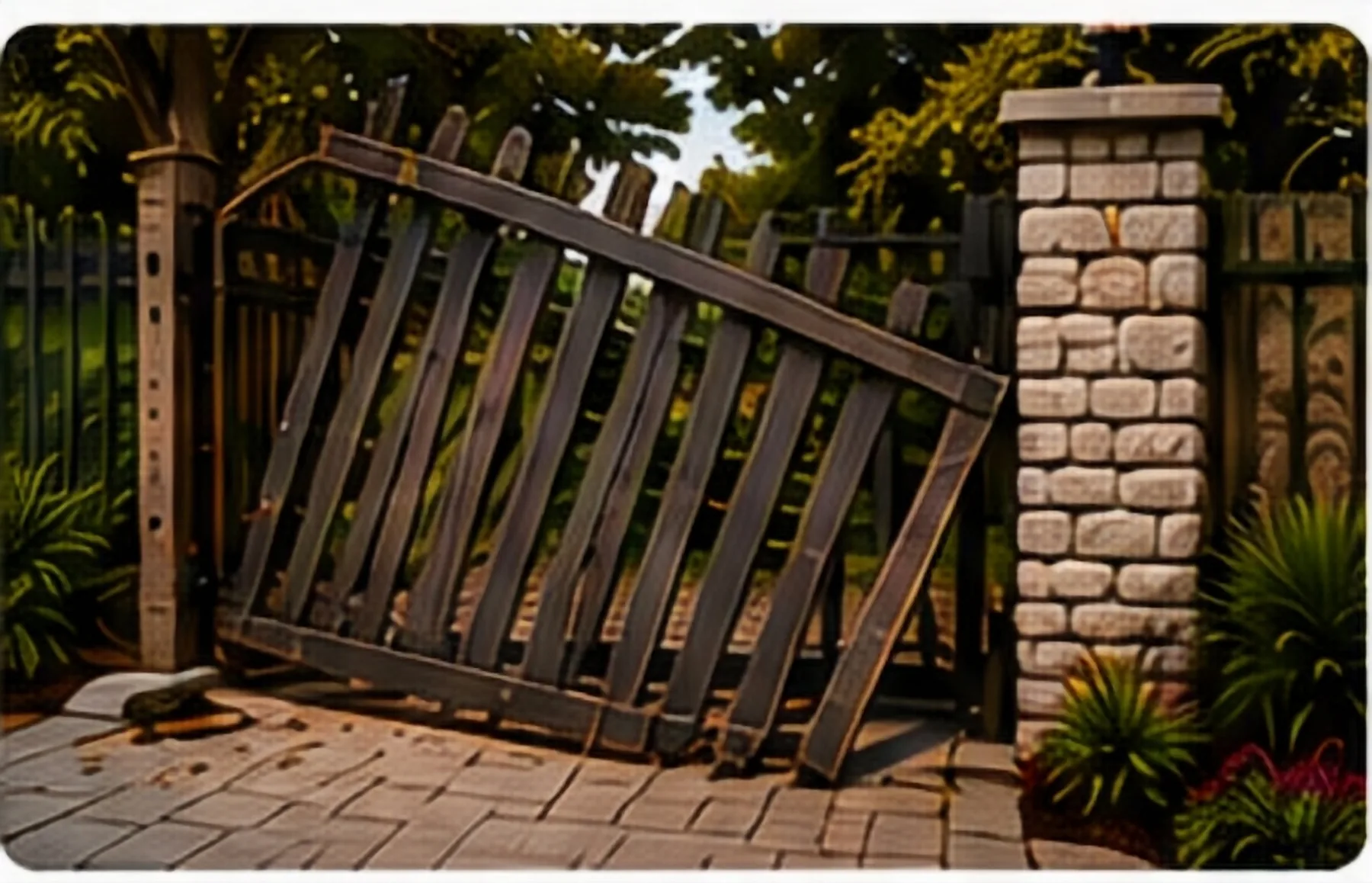
If the structure is sound we repair it. Posts that are still solid, a frame that is still square and hardware that can be replaced usually add up to a repair rather than a rebuild.
We would rather fix what you have than sell you something new. Telling a Tarzana customer their fence has years left in it is a shorter conversation, but it is the one that gets us called back.
What San Fernando Valley weather does to it
Santa Ana winds do the visible damage. A solid privacy fence is a sail, and all of that load goes into the posts, which is why a footing that seemed fine for years fails in one October night.
Sun is the quiet killer here. UV breaks the surface down and greys the timber, which is cosmetic at first and structural eventually. Sprinklers are worse: a head throwing onto the boards keeps them permanently damp at the base.
Working across San Fernando Valley
We cover Tarzana and the surrounding communities including Reseda, Winnetka and Woodland Hills, so we are rarely far away when something needs looking at quickly.
Most of our work is within a short drive of Tarzana — Reseda, Winnetka, Woodland Hills and the rest of San Fernando Valley. We are not sending someone across the county to look at your fence.
How long it takes
Most fence jobs are measured in days rather than weeks. What stretches a schedule is removal of what is already there, difficult access, or ground that fights the digger.
A straightforward residential run is usually a day or two on site once materials are in. Posts go in first and the concrete needs time before anything hangs on them, so the work is not continuous.
Do you take the old fence away?
Yes. Removal and disposal is priced as part of the job rather than sprung on you at the end, and it is a real cost when there are concrete footings to break out.
How far in advance do I need to book?
It varies with the season. Wind and rain months are busier because more people are calling about damage. We give you a realistic date rather than an optimistic one.
Will a new fence match my existing one?
We match material, spacing and finish as closely as we can. New timber next to weathered timber will not be an exact match until it has aged a season, and we will say so up front rather than after.